North Carolina’s Electric Cooperatives Invest in Coastal Reliability Through Peaking Plant Upgrades

Serving electric cooperative members from the mountains to the farthest reaches of the coast requires more than a one-size-fits-all approach. It requires strategic investments in infrastructure and energy resources that can reliably serve communities across North Carolina, especially at the edge of the grid.
One of the latest examples is a recent improvement project at North Carolina’s Electric Cooperatives’ diesel generation facility in Buxton. Upgrades to critical systems throughout the plant will help extend the life of an important reliability resource serving the Outer Banks and the broader cooperative network.
Several key systems were modernized, including a new compressed air delivery system, upgraded fuel controls and advanced turbine starters designed to perform reliably in the Outer Banks’ harsh coastal environment. Crews also completed a comprehensive overhaul of the engines, replacing worn components and preparing the units for many more years of dependable service.
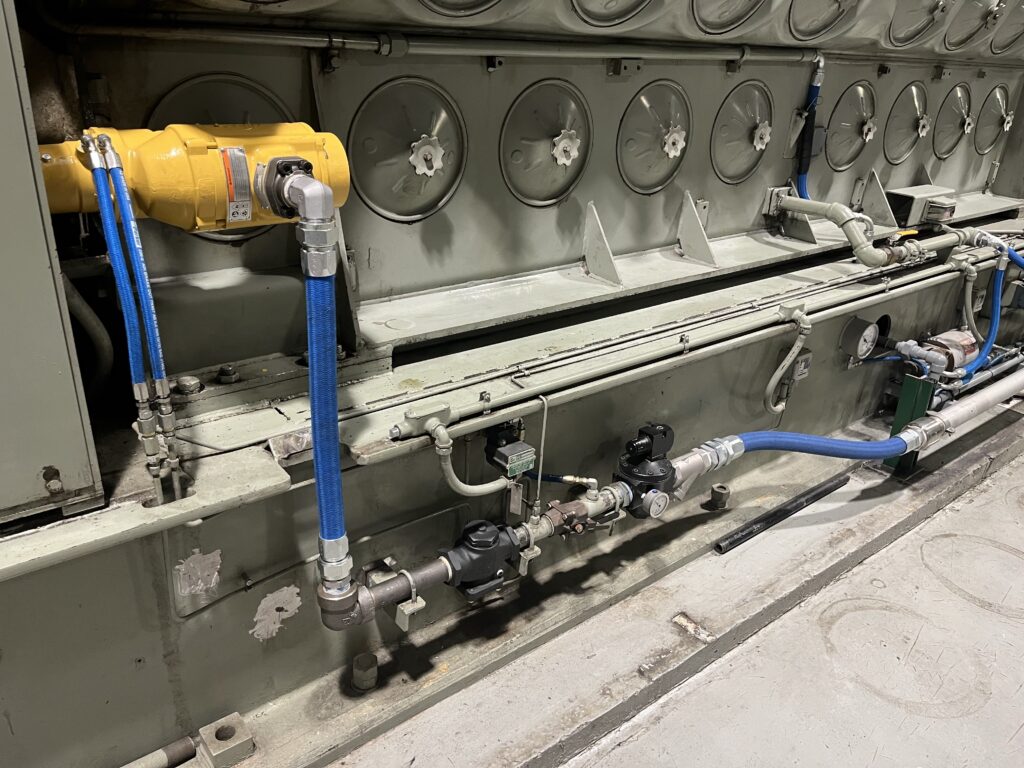
“We’re setting these plants up to have a strong future and to continue serving as a critical resource in times of need,” said Chris Walton, director of asset management at North Carolina’s Electric Cooperatives. “These renovations will help ensure the plant continues to serve Hatteras and Ocracoke Islands and support the cooperative network as a whole for years to come.”
The Buxton facility, along with its counterpart in Ocracoke, is part of North Carolina’s Electric Cooperatives’ diverse portfolio of generation resources.
Each unit uses a 20-cylinder diesel engine that produces 4,000 horsepower. As the engine runs, it spins a generator that converts mechanical energy into electricity used by homes and businesses. Collectively, the two plants represent 18 megawatts of generating capacity.
“These plants are strategically located on the Outer Banks, where we’re serving communities at the edge of the grid,” said Paul Flythe, manager of diesel generation at North Carolina’s Electric Cooperatives. “When demand is high or emergencies occur, these units provide an extra layer of reliability and help keep power flowing to members.”
The Buxton and Ocracoke plants played a vital role in restoring power to the Outer Banks during the Bonner Bridge collapse in 1990 and when an underground transmission cable was accidentally severed in 2017. They also provide power during hurricanes and planned system outages for Tideland Electric Membership Corporation and Cape Hatteras Electric Cooperative. When not needed for island reliability, these units also participate in regional capacity and energy markets. The units respond to PJM dispatches, generating revenues that help offset NCEMC’s overall wholesale power costs.
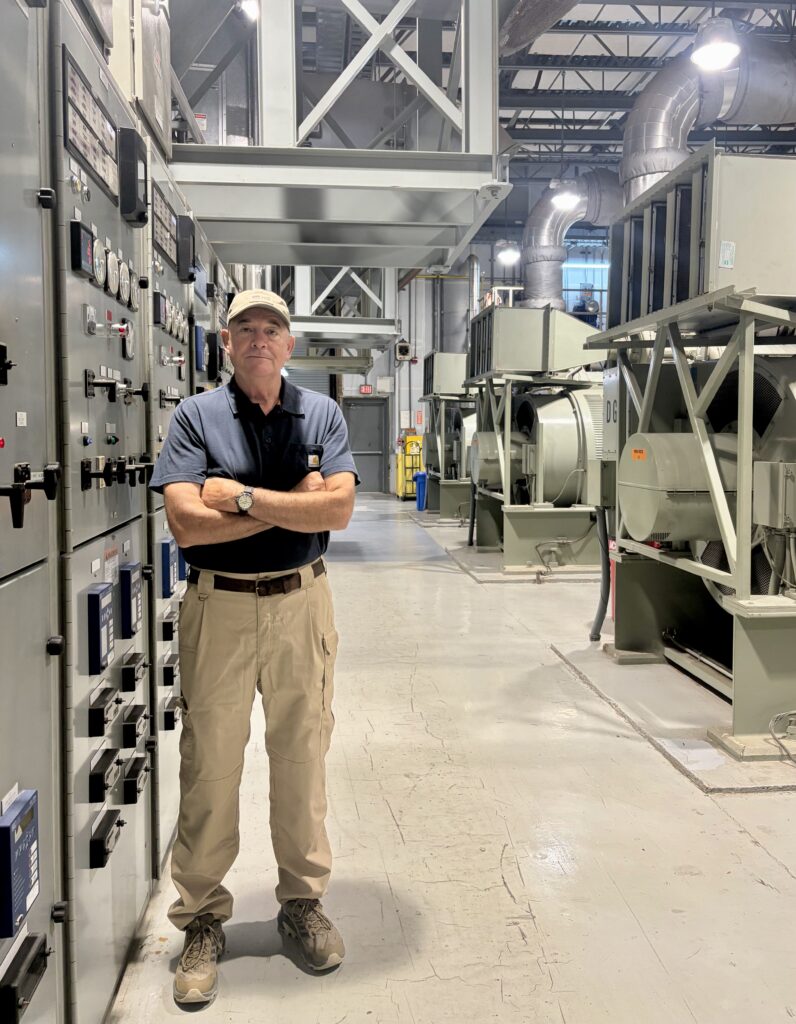
Having spent two decades working at diesel plants and living on Hatteras Island, Flythe has a unique perspective on the role these facilities play in serving local communities and the cooperative network.
“These diesels are working for all the cooperatives,” said Flythe. “When they’re called on to perform it’s during challenging circumstances, whether it’s extreme temperatures, a hurricane or something else, and historically they’ve performed well under these adverse conditions.”
After spending the last 20 years helping maintain these diesel plants, Flythe plans to retire next year. Looking back, he reflects on how far the plants have come and the important role they will continue to play in serving cooperative members.
“I am extremely proud of what we’ve been able to do here at the diesel plant,” said Flythe. “I’m proud of the fact that when we’re called upon to run, we’re able to start up and provide reliable electricity when people need it most. I’m excited for the future of these plants and what they can provide for North Carolina.”