North Carolina’s electric cooperatives highlight rural energy innovations at State Energy Conference

At this year’s State Energy Conference, North Carolina’s electric cooperatives showcased how they are building a brighter future for rural communities through the deployment of new technology and innovative energy solutions.
Through leading key panels, discussions and demonstrations, co-op representatives saw the event as an opportunity to share how they work with local community partners and organizations to achieve local goals through innovative and sustainable solutions.
Kristen Hole, an innovative electrification specialist at Four County Electric Membership Corporation, joined a panel to discuss a partnership with James Sprunt Community College in launching their hydroponic smart farm pilot, Box to Bowl.
Hole said the project is a case study in how co-ops can foster agricultural resilience, energy awareness and workforce development — all in one initiative.
“The hydroponic smart farm may be housed in a container, but it’s transforming how students learn, how food is grown and how we think about energy use in agriculture,” Hole said. “Co-ops and the communities we serve can play a leading role in connecting larger community needs with creative, scalable solutions — especially when we partner across education, health and energy sectors.”
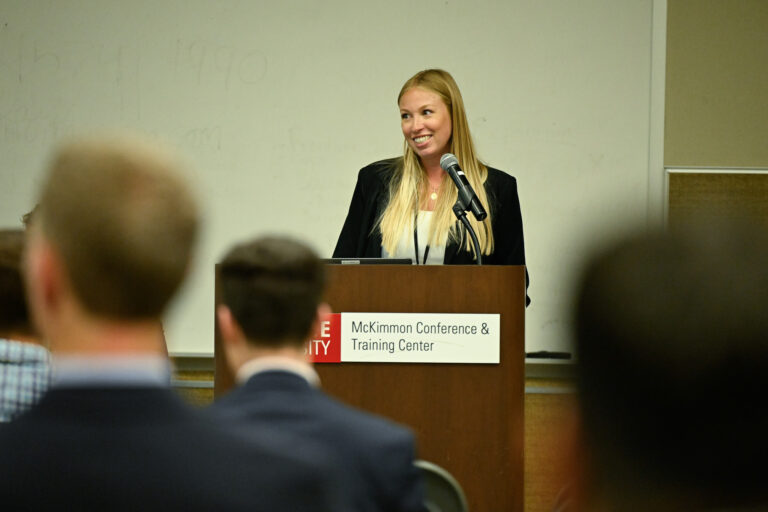
The two-day conference also gave cooperatives a chance to bring their unique perspective to a larger stage, joining industry leaders and partners from across the state and nation.
“Our voice matters because we often operate in rural and underserved areas where innovation and reliability are critical,” said Jason Lingle, director of energy solutions at Blue Ridge Energy. “Our representation ensures that our member-owners aren’t left out and that their energy needs are considered as part of broader industry planning and policy.”
Lingle participated in a panel discussion on rebuilding the grid for resilience, where he shared insights on the damage Blue Ridge Energy sustained during Hurricane Helene last fall. He highlighted the cooperative’s efforts to modernize and strengthen its system, including a microgrid project planned for a hard-to-serve area of their system, which will add both resiliency and redundancy during future outage events. Lingle said projects like this are beneficial to both the cooperative and members.
“It’s a valuable opportunity to share the innovative work our cooperative is doing and to learn from others,” Lingle said. “Conferences like this are where ideas become actionable, and being part of that momentum is both exciting and important. I hope people leave with a sense of what’s possible when cooperatives leverage creativity and collaboration.”
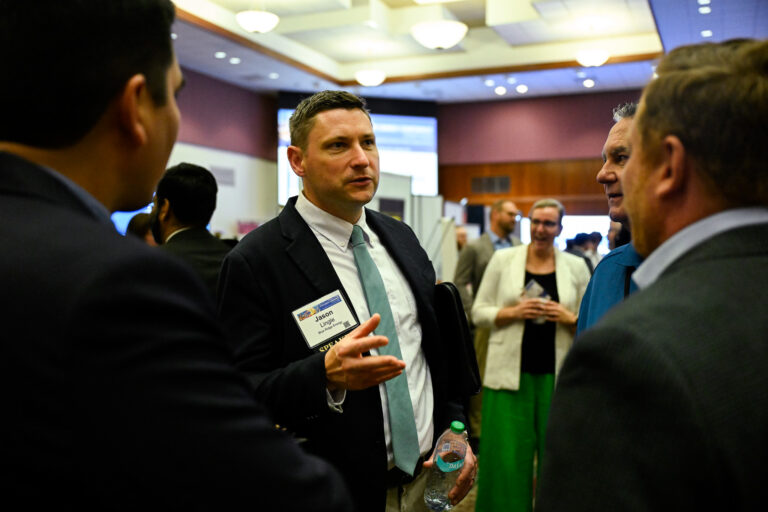
Beyond leading these discussions, cooperative attendees said the ability to network and collaborate with others from across the state is what makes this event special.
With new ideas and fresh perspectives, Hole said it’s exciting to apply these concepts to the work Four County is doing to serve members.
“There’s something really energizing about being surrounded by people who speak the same language — people who are passionate about electrification, member service and pushing boundaries,” Hole said. “These conversations often lead to new ideas, collaborations and even lifelong professional relationships.”