North Carolina’s electric cooperatives helping support pollination efforts

Beyond building and maintaining the electrical infrastructure that powers the lives of more than 2.8 million members, North Carolina’s electric cooperatives are also supporting efforts to conserve and protect the environment and the native species that call our state home.
North Carolina’s 26 electric cooperatives maintain thousands of miles of lines and, as such, have a unique opportunity to support pollinators with all that open natural space. By planting native grasses and low-growing plants in rights-of-way, co-ops are saving on maintenance costs and reducing reliance on herbicides — protecting pollinators from harmful chemicals.
“Increasing habitats through these practices can boost populations of threatened or endangered species, as well as those on the brink, like monarch butterflies,” said Khalil Porter, manager of environmental affairs at North Carolina’s Electric Cooperatives.
Protecting Pollinators
Despite an abundance of moths, bees, butterflies and other insects that keep plants pollinated, many of the state’s pollinators are at risk. Habitat loss and pesticide use are among the factors working against them, reducing their numbers and making natural habitat scarce.
North Carolina’s electric cooperatives are supporting efforts to rebuild monarch populations through their involvement in the NC Pollinator Conservation Alliance’s energy committee, which shares ideas for creating pollinator habitats in utility rights-of-way and on solar farms.
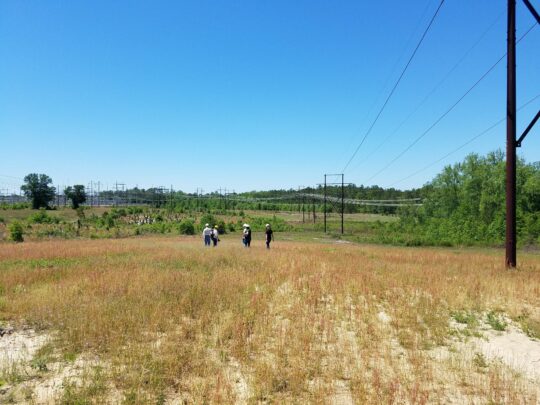
One proactive measure the cooperatives have taken is turning a transmission line right-of-way near the Hamlet power plant into a Pollinator Pitstop along the state’s “Butterfly Highway,” a conservation restoration initiative of the North Carolina Wildlife Federation.
“This area might not look like much at first glance, but it’s important for the environment,” said Porter. “By turning parts of the right-of-way into native pollinator habitats, we’ve created a thriving ecosystem with more pollinators and a wider variety of plants. This project shows that even small things can make a big difference in the environment.”
Pollination Education
Not only are North Carolina’s electric cooperatives supporting pollinators with measures in the field, but they’re also investing in education initiatives that support these critical insects.
Since 2018, Brandon Dillman, a teacher at White Oak High School in Onslow County, has been educating students on the importance of honeybees and other pollinators through the school’s collection of beehives.
This apiary has helped educate not only the students and faculty of White Oak High School but also members of the Onslow County community and beyond. Dillman says it wouldn’t be possible without support from local groups, including Jones-Onslow Electric Membership Corporation, which has helped fund components of the apiary through the Bright Ideas education grant program.
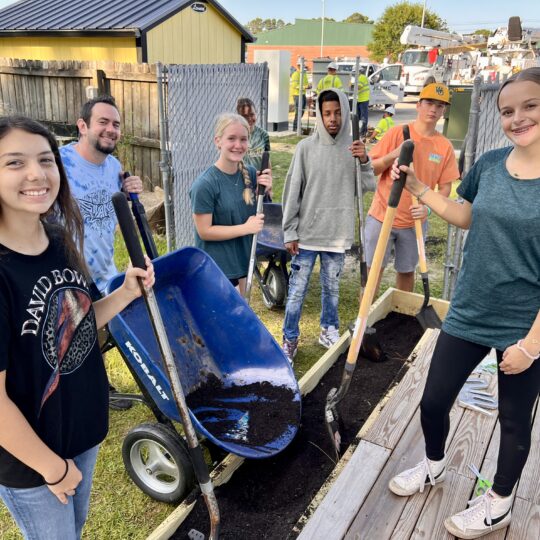
“These grants have supported aspects of this whole thing, so without them, we may have never started this project,” said Dillman. “This cutting-edge technology will enable us to actively collaborate and share valuable insights with neighboring schools and organizations, fostering a collaborative network dedicated to honeybee education and conservation.”
Through multiple Bright Ideas grants, Dillman and his students have built and cared for several beehives and created a Honeybee Education Center, where they record and track essential information about the colonies.
From strategically managing rights-of-way to fostering educational initiatives, the cooperatives are demonstrating a commitment to the delicate ecosystems that support North Carolina’s biodiversity.
“Supporting conservation efforts and North Carolina’s pollinators through initiatives like these is simply the right thing to do — for the environment, for our communities and for future generations,” said Porter.