North Carolina Co-ops Bring First-Ever Electricity to Guatemalan Village


For generations, reliable access to electricity in the United States has been something many people rarely stop to consider. With the flip of a switch, lights come on, homes are powered and everyday life moves forward. But for many rural communities around the world, that access remains out of reach.
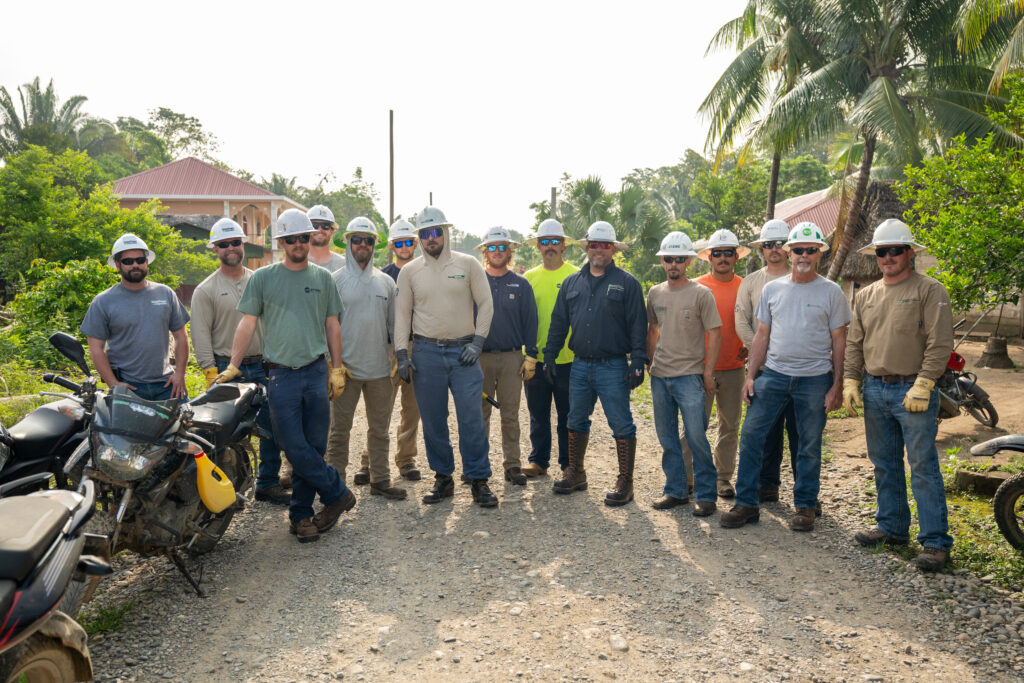
In a remote village in northern Guatemala, electricity was once a distant possibility. That changed this spring when 15 lineworkers from electric cooperatives across North Carolina came together to help bring power to the El Plan Nuevo Amanecer community for the first time.
“You would think everybody would have power, but they don’t,” said Sammy Clark, a lineworker at Edgecombe-Martin County Electric Membership Corporation (EMC). “We take it for granted.”
Volunteers from eight co-ops traveled more than 2,800 miles from home, carrying their mission of powering communities to a region with vastly different conditions than they’re used to.
“It’s nothing like I expected,” said Daniel Purvis, a lineworker from South River EMC. “You see pictures and videos of how people live here, but actually seeing it is eye-opening.”
Residents of the village relied on traditional methods: cooking over open fires, lighting their homes by flame and finding ways to preserve food without the benefit of electricity.
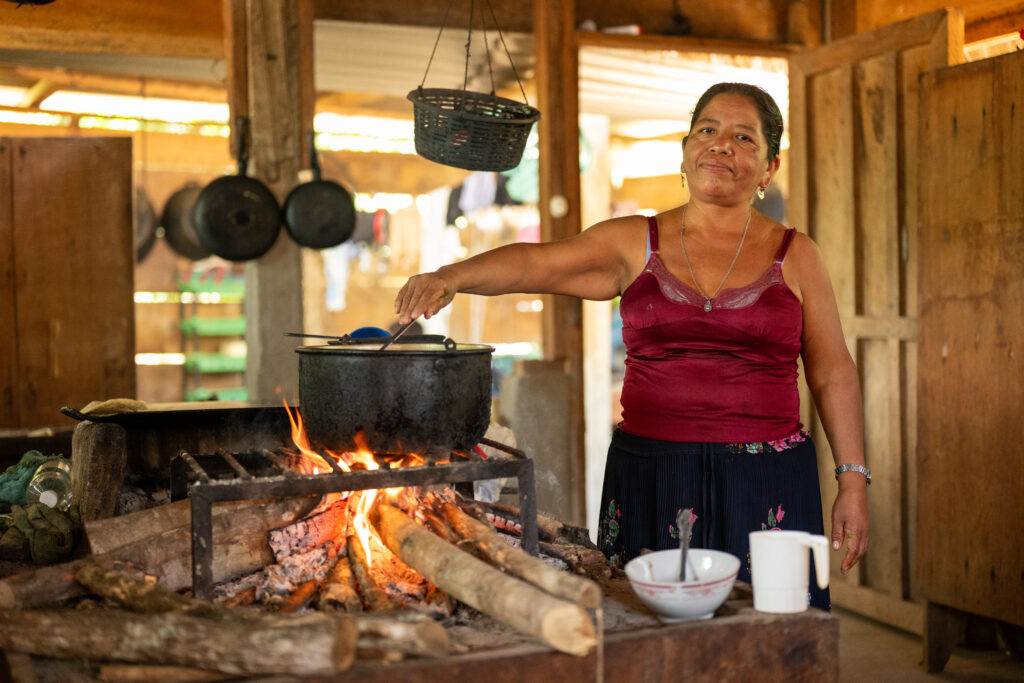
“It’s like stepping back in time,” said Levi Walker, a lineworker at EnergyUnited. “It reminds you of the stories of the first cooperatives that powered North Carolina. Seeing how these people live, how much they’ve overcome, is truly remarkable.”
For local residents, having power in their homes — something they had only experienced when visiting neighboring villages and larger cities — is an opportunity they have been waiting on for years.
“I’ve lived here for 17 years without power,” said Miriam, a resident of El Plan Nuevo Amanecer. “First, we started with solar panels, and now, thank God, we’re going to have electricity.”
El Plan Nuevo Amanecer is in the Lachúa region of northern Guatemala, where most families rely on agriculture and day labor to support their households. Now, with access to electricity, residents say they can expand their opportunities when it comes to earning a livelihood.
“Now we have the possibility of starting a business,” said Ricardo, a resident of El Plan Nuevo Amanecer. “We can work in the fields and keep our products in a fridge where they can be stored. We can do many things here in the countryside in order to survive.”
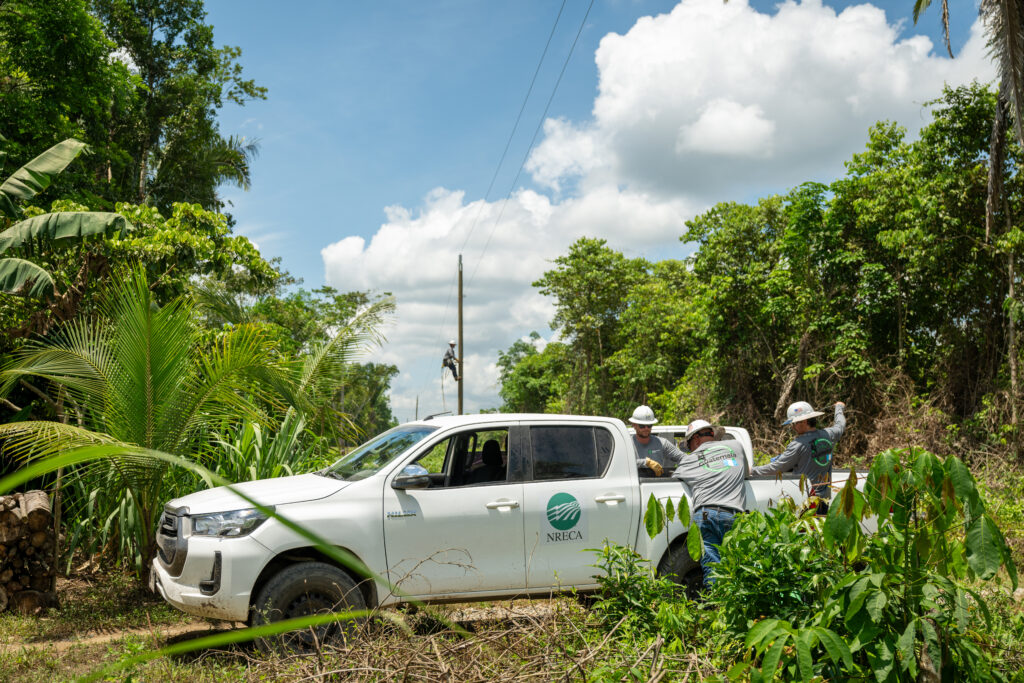
Over the span of three weeks, crews constructed three miles of line that powered more than 50 homes, a school, two churches and the community’s only health clinic. With no access to the bucket trucks and heavy machinery crews are used to back home, volunteers worked by hand, including lifting transformers weighing more than 300 pounds and pulling long spans of line across dense vegetation and rugged terrain.
“It was a real challenge,” said Sammy Welch, a lineworker at Rutherford EMC. “The heat here is unlike anything we face back home, along with not having all the tools we are used to. But what kept us going were the kids and the people, because they were so happy we were there. You could feel the excitement as we got closer to finishing the job.”
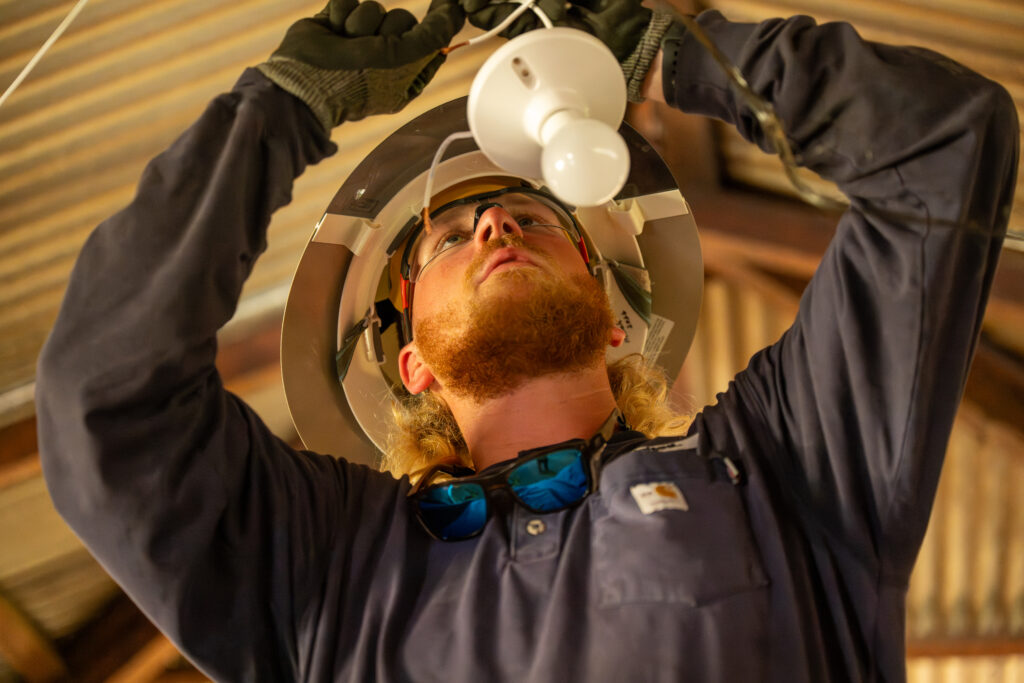
Alongside building the infrastructure that would power the village, crews also wired each building, providing four lights, two outlets and two switches.
“Back home, we have multiple lights, multiple switches, and that little bit is going to be life-changing for them,” said Josh Morrison, crew leader and lineworker at Union Power Cooperative. “They’ve lived their whole lives never seeing it, and it’s going to open up so many doors for them.”
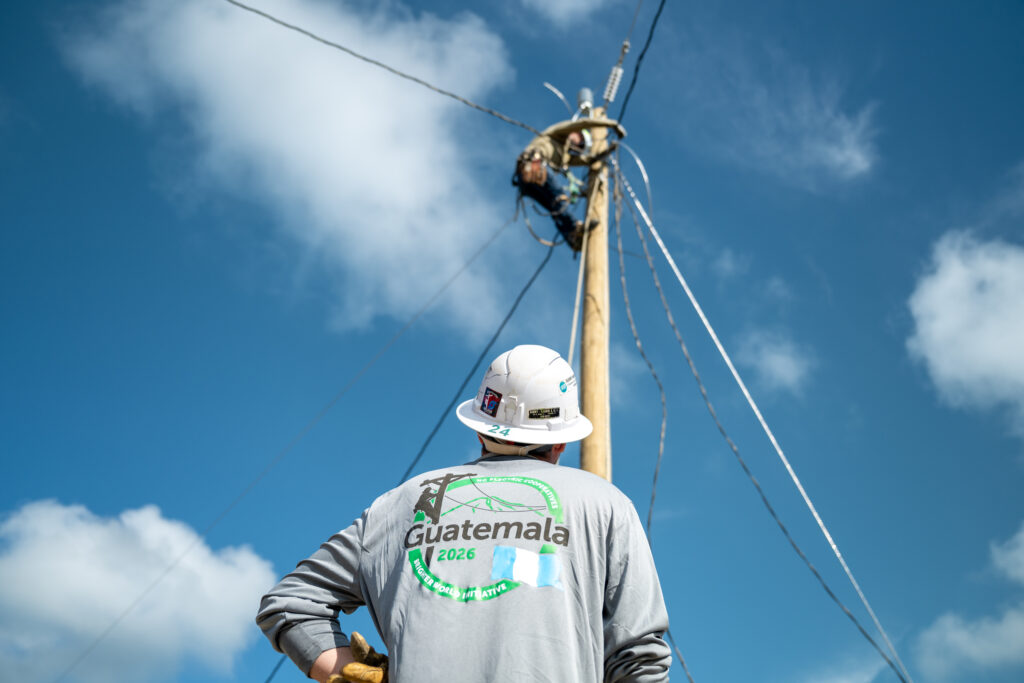
The trip was coordinated through North Carolina Electric Cooperatives’ Brighter World Initiative, in partnership with the National Rural Electric Cooperative Association’s (NRECA) International Foundation, which brings electricity to communities around the world. Additionally, the trip was made possible through contributions from CoBank and the National Rural Utilities Cooperative Finance Corporation.
“In North Carolina, all the electric cooperatives are focused on improving the lives of our members and the communities we serve,” said Susan Flythe, CEO of Cape Hatteras Electric Cooperative. “This is an extension of that. This is our Brighter World Initiative. Through this vision, we’re able to extend rural electrification to counties and communities that have never had electricity before.”
Along with electrifying the village, North Carolina’s electric cooperatives provided each home with a two-burner electric stovetop to replace smoky, irritating, open flames with a cleaner, safer cooking alternative for inside their homes. Volunteers also supplied the community’s health clinic with essential medical supplies to serve the community.
At the conclusion of the three-week project, the village gathered to recognize the volunteers, presenting them with plaques and unveiling a sign in thanks for their efforts. Community leaders shared that access to electricity will change their lives, creating a brighter future for generations to come.
“You’d have to take a step back and say, ‘Well, it’s nothing but a lightbulb,’ but they don’t see it that way,” said Clark. “They’re just so happy to have it. I’ll never forget this project and working alongside this crew. It’s one of the greatest honors of my career.”
The project is a collaborative initiative supported by all 26 electric cooperatives in North Carolina. Volunteers for the project represent:
- Cape Hatteras Electric Cooperative
- Edgecombe-Martin County EMC
- EnergyUnited
- Jones-Onslow EMC
- Rutherford EMC
- South River EMC
- Surry-Yadkin EMC
- Union Power