NC’s Electric Cooperatives Meet Record Summer Demand While Maintaining Reliability

As North Carolina endured one of its hottest summers on record, electric cooperatives across the state faced unprecedented demand for electricity. Despite prolonged periods of extreme heat and record-setting regional power usage, cooperatives maintained reliable service for members while managing costs and supporting grid reliability.
From June 1 through Aug. 31, 2026, the statewide average temperature reached 77.8 degrees, making it the fifth-hottest summer on record in North Carolina since recordkeeping began in 1895, according to the North Carolina State Climate Office. Several of the state’s largest population centers also ranked among their hottest summers on record, including Raleigh, Fayetteville, Wilmington and the Triad.
Widespread Heat Effects
Just as significant as the daytime heat were unusually warm overnight temperatures. Nationally, July’s overnight lows averaged 3.7 degrees above normal, leaving homes and businesses with less opportunity to cool down and causing air conditioning systems to run longer. As a result, electricity demand remained elevated for extended periods throughout the summer.
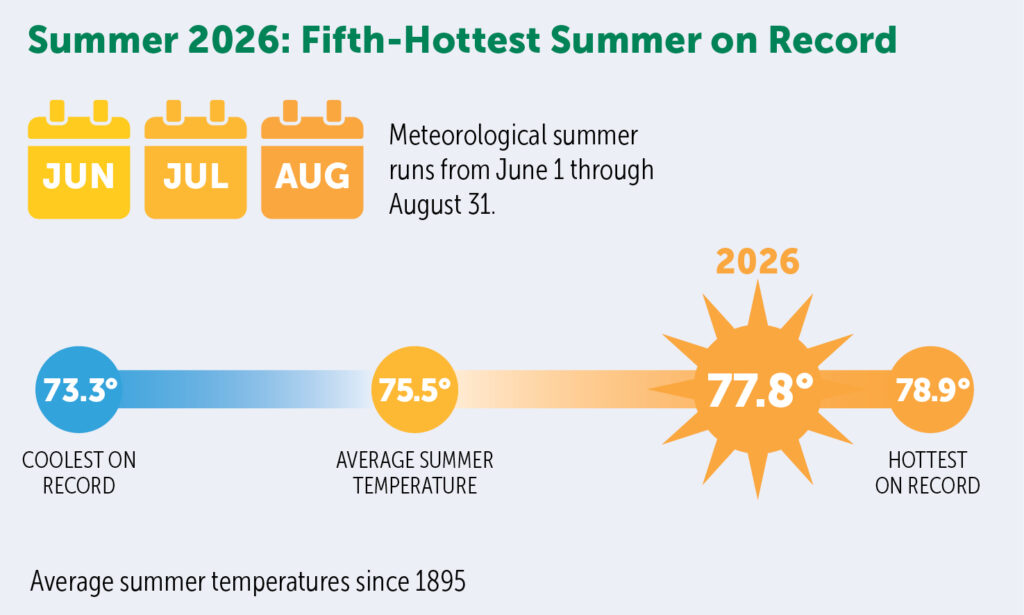
That combination of extreme daytime heat and persistently warm nights translated into sustained periods of high electricity demand across North Carolina. With homes, schools and businesses requiring more cooling throughout the day and into the evening, electricity use remained elevated for longer-than-typical periods during the summer. At the same time, much of the Southeast, Midwest and Mid-Atlantic experienced similar conditions, increasing demand across multiple regional power systems.
As demand climbed and available reserve margins tightened, North Carolina’s electric cooperatives experienced 23 system alert days from May through September.
System alerts are issued when electricity demand is expected to be especially high. During these periods, the grid experiences greater strain and wholesale power costs can rise, making effective system management important for keeping electricity affordable and reliable for cooperative members.
Throughout the season, the cooperatives coordinated closely with Duke Energy and PJM Interconnection as these regional grid operators responded to extreme heat. Duke Energy operates the transmission grid serving most of North Carolina, while cooperatives in the northeastern part of the state are interconnected with PJM, the nation’s largest regional transmission organization.
Meeting Increased Demand
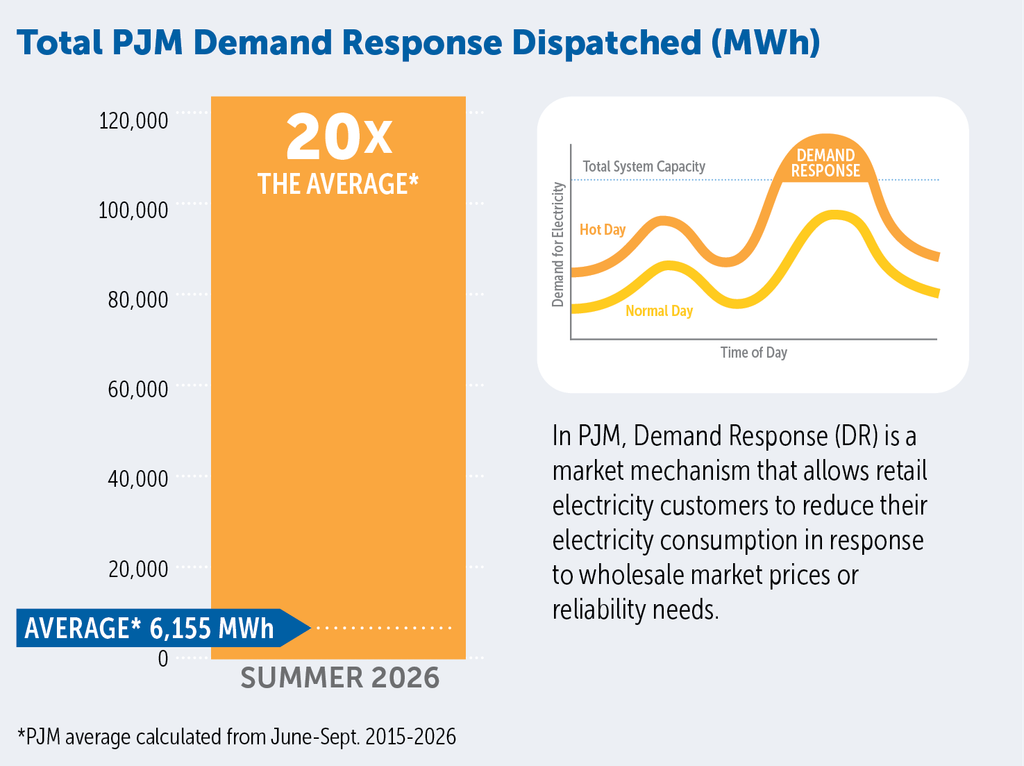
On July 2, PJM experienced its highest-ever summer electricity demand, surpassing a record that had stood since 2006 as extreme heat stretched across much of its service territory. In response, PJM deployed more than 6 gigawatts of emergency demand response resources.
On several occasions, conditions escalated beyond routine hot-weather alerts to Energy Emergency Alert (EEA) notifications, including multiple EEA1 declarations and EEA2 alerts during some of the summer’s most challenging periods. These alerts signaled increasingly stressed grid conditions.
As those conditions intensified, a coordinated set of strategies and resources was deployed to help maintain reliability and manage costs for cooperative members.
Keeping Energy Reliable
These alerts provide an early warning system for utilities and grid operators, enabling them to monitor available generation resources, anticipate reliability concerns and take proactive steps to maintain service as electricity demand climbs.
While the alerts highlighted the strain that extreme temperatures placed on the grid, they also triggered a coordinated response among the electric cooperatives, Duke Energy and PJM. Throughout the summer, operators closely monitored grid conditions and deployed a range of resources designed to maintain reliability and manage costs as demand continued to increase.
One of the first lines of defense was demand-side management. Distribution cooperatives and member demand-response programs, including thermostat and water heater control programs, as well as conservation voltage reduction (CVR), which temporarily lowers voltage across the distribution system, helped reduce electricity use during peak periods, easing strain on the grid while lowering demand-related costs.
At the same time, solar generation and battery energy storage resources provided additional electricity when demand was highest, helping reduce the need to purchase additional power during periods of peak demand.
As demand remained elevated and regional grid conditions tightened, NCEC’s natural-gas combustion turbine facilities in Anson and Hamlet were called upon more frequently than ever before. While these peaking units typically operate only a small portion of the year, some units ran nearly one-third of the hours in July. By the end of the month, those facilities had been dispatched more times than during many previous full years, providing critical support during periods of peak electricity demand.
One additional line of defense is a general call for conservation by cooperative members. Despite the extreme heat there was no statewide call for conservation in the summer of 2026.
Together, these resources formed a coordinated reliability strategy. By continually evaluating grid conditions and deploying the right tools at the right time, cooperatives helped keep power flowing reliably throughout the summer’s most demanding periods.
Preparation Years in the Making
Combined with a diverse portfolio of nuclear, natural gas, renewable and other generation resources, these efforts helped maintain reliable service while keeping costs as low as possible during periods of peak demand.
The summer’s record-breaking heat tested the grid, but North Carolina’s electric cooperatives were prepared. The ability to meet record demand while maintaining reliable service was built over years of investment in strategic energy resources, demand-response programs, grid modernization efforts and operational planning.
When extreme temperatures drove electricity demand to historic levels, those investments, combined with coordinated decision-making and system management, helped ensure members continued receiving the reliable, affordable power they depend on every day.