NC educator brings innovation to classroom with help of two electric co-ops

North Carolina’s electric cooperatives are longtime supporters of education, recognizing it as a meaningful way to give back to their communities and help create a brighter future for the next generation.
Over the past year, one educator has had the opportunity to see that commitment to education in action — working alongside not just one, but two of his local electric cooperatives to bring innovative ideas to life in his school.
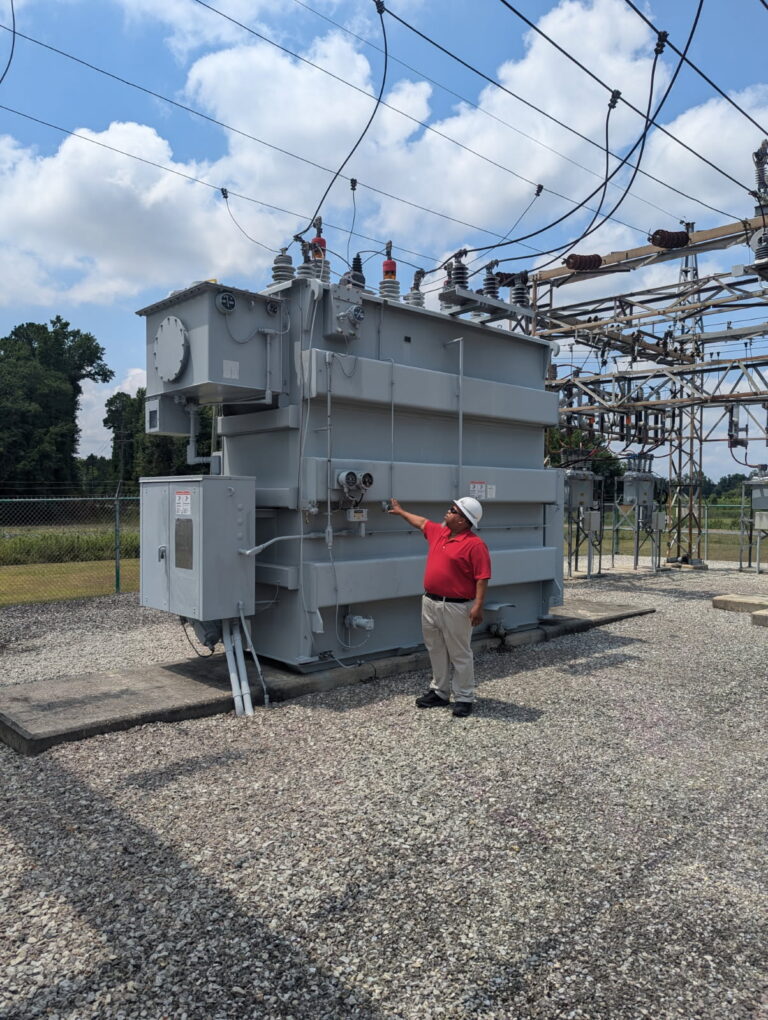
Garrick Purdie, a second-year science teacher at Duplin Early College High School, was selected by Four County Electric Membership Corporation (EMC) as its 2024–25 Kenan Fellow through the Kenan Fellows Program for Teacher Leadership at N.C. State University. Purdie participated in a three-week immersive STEM internship with the co-op, where he gained firsthand knowledge of regional career pathways for his students and turned his experiences with the co-op into exciting lessons and resources to bring back to his classroom.
Even after the conclusion of his fellowship, Purdie’s relationship with Four County EMC has continued, with the co-op supporting many of his classroom lessons throughout the school year.
But support from the co-ops didn’t stop there — Purdie was also selected as a Bright Ideas education grant recipient by Tri-County Electric Membership Corporation (EMC) this past fall for a project centered on hydroponics. The hands-on curriculum funded by the co-op’s grant helped his students explore plant biology, water chemistry, technical writing and sustainable farming — all while collaborating to grow crops using hydroponic systems in the classroom.
“This year really changed what I was doing and how I could help my students,” said Purdie. “After a single calendar year, I went from limited resources to having so much more to offer my students. Whether that’s experiments we can do in the classroom or helping them explore career paths they wouldn’t have known about before, the cooperatives supported all of these efforts.”
Lessons for the classroom
Purdie said what inspired him to apply for both programs was a desire to provide more for his students and help them explore paths that go beyond textbooks.
It wasn’t until he was nearly 50 years old that Purdie entered the teaching profession, choosing to make an impact on the future of his community. He tells his students he wanted to be the change he hoped to see in education.
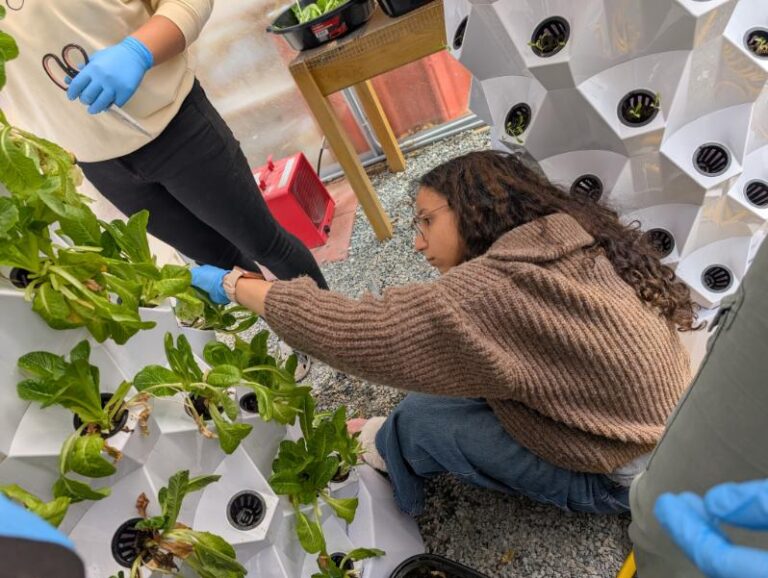
Purdie’s students interacting with hydroponics towers.
Now, as both a Kenan Fellow and Bright Ideas grant recipient, he said his journey shows students that anything is possible if they put their minds to it.
“I want these kids to see the opportunities that are here in our rural communities and beyond,” said Purdie. “These young minds are the future, and I want them to see there are many different ways to reach their dreams as the world around us continues to change.”
Purdie said having tangible experiences like the hydroponics towers funded by Tri-County EMC — along with the lessons he brought back from his Kenan Fellowship with Four County EMC — has inspired him to create learning opportunities his students will never forget.
“The students are bought in, and they want to see our programs continue to grow,” said Purdie. “As a teacher, seeing them connect these concepts and get excited about learning is what makes this special. The cooperatives are helping me build foundational lessons that will serve these students for years to come.”
Next generation of learners
As Purdie wraps up another school year, he said he will always remember this one because of the outpouring of support he received from North Carolina’s electric cooperatives. That support has already sparked excitement for what’s possible in the year ahead.
“That idea of cooperation among the cooperatives — and the idea of working together to support rural communities — is a lesson I want to pass down to my students,” said Purdie. “My students are Title I students in a rural county, and oftentimes it’s easy for them not to think about the possibilities out there for them. What I’ve been able to do because of Four County and Tri-County is show them those possibilities by example.”