Four County EMC, Bladen Community College Bring Innovative Technology to Culinary Education


North Carolina’s electric cooperatives continue to demonstrate their commitment to the communities they serve by supporting educational opportunities and providing access to innovative technologies. That commitment was recently displayed through a partnership between Four County EMC and Bladen Community College, where an electric fryer and induction cooktop project is giving culinary students hands-on experience with equipment that could help shape the future of commercial kitchens.
“Everybody wants their food out fast, but they want it good, and they want it done. I think this is something exciting to look forward to,” said Chef Hannah Martin, culinary instructor at Bladen Community College.
With support from North Carolina’s Electric Cooperatives and Giles Foodservice Equipment, the project is testing an electric fryer against a traditional gas fryer. The effort gives students hands-on experience with energy efficiency, sustainability and innovative electric technologies that could improve commercial kitchen operations. Switching to efficient electric kitchen equipment is an example of beneficial electrification that can lower operating costs, reduce excess heat, and create a more comfortable kitchen environment.
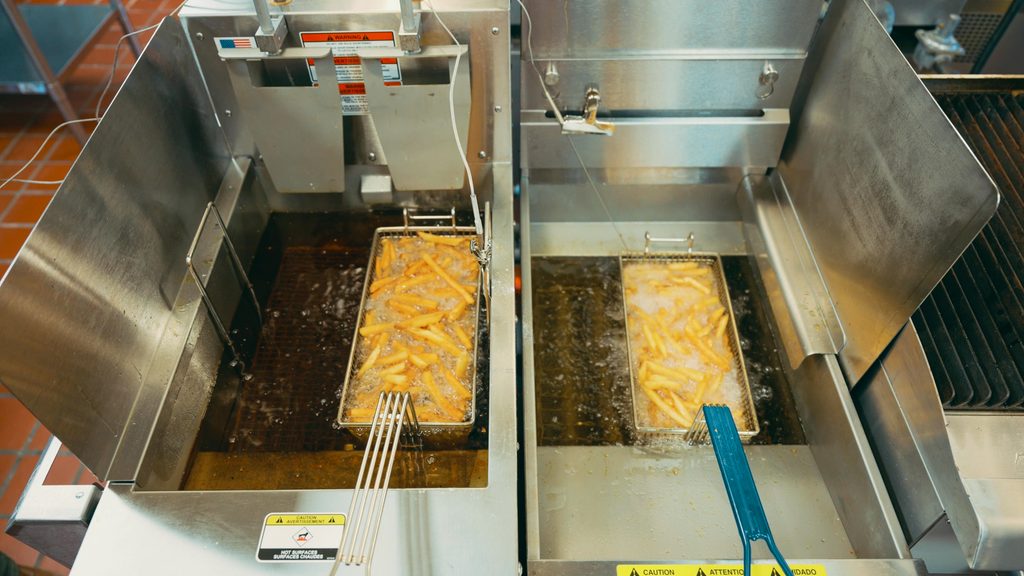
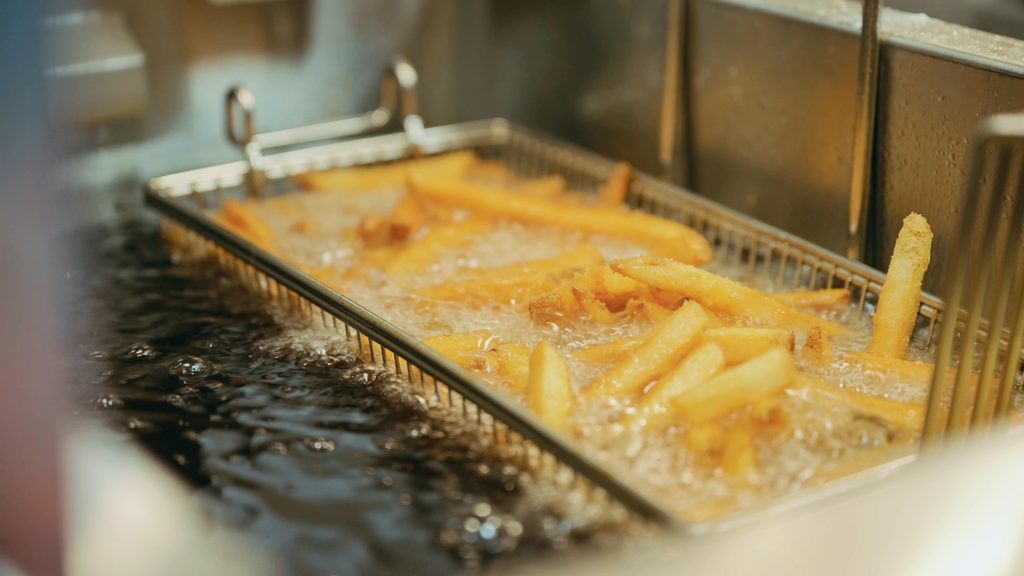
An efficient restaurant kitchen keeps orders moving and customers happy. Electric fryers can offer advantages over gas models, including more consistent cooking and lower energy costs. Their submerged heating elements transfer heat directly to the oil without indoor gas combustion. They also provide more even heat, reducing hot spots that can break down frying oil. Longer oil life means less waste, helping restaurants reduce costs while supporting sustainability.
As the technology continues to evolve, this advancement in the kitchen gives students valuable exposure to both gas and electric fryers as they prepare for their future careers in the food industry.
David Andrews, a student enrolled in the Bladen Community College Culinary Program, said working with innovative technology like electric fryers helps him keep pace with an ever-changing industry.
“It gives me a jump forward,” said Andrews. “It gives me experience with the different tools in the kitchen, and that’s magical. You can’t buy that.”
Beyond the Classroom Kitchen
The partnership with NCEMC, Bladen Community College, Four County EMC, Giles Food Service and Vollrath Foodservice extends beyond the classroom, offering valuable insights for other kitchens looking to take steps toward greater efficiency. The project found that electric fryers could improve the kitchen environment by eliminating gas combustion emissions and reducing HVAC costs sinc electric fryers put more heat into the oil and less into the kitchen, they can reduce air-conditioning and ventilation needs while helping cooking oil last longer.
Although not compared in a side-by-side analysis during the pilot, Vollrath induction cooktops are being used in the kitchen, giving students experience with electric appliances while further supporting electrication efforts.
Sharing this information with the culinary community also reflects the cooperative principle of concern for community. By educating future chefs about the benefits of electrification, the project helps prepare students for successful careers while introducing them to innovative technology that could shape the future of the food industry.
“We want to be able to provide opportunities for our community to have a cutting edge, so when they step into their workforce, they have experience with electrification. Something that sets them apart and sets them up for greater success,” said Kristen Hole, innovative electrification specialist at Four County EMC.
Through this project, students gain hands-on experience, local kitchens gain valuable insights, and the community benefits from educational opportunities that help prepare the next generation of culinary professionals.
Martin welcomed the partnership and the opportunities it creates for the community.
“It’s good. People are familiar with the name Four County, it’s a household name,” said Martin. “To see that they’re getting involved in the restaurants, the schools, the hospitals, anywhere that cooking technology is needed. I think that it’s a good thing for the people in the community to see.”