Electric co-ops powering the next generation of lineworkers through career-ready training

North Carolina’s electric cooperatives serve more than 2.8 million members and nearly 45% of the state’s landmass, and meeting that responsibility depends on having a skilled, prepared workforce.
That preparation starts in the classroom, through hands-on programs designed to equip the next generation of lineworkers with the skills and knowledge they need to serve their communities.
That commitment is why North Carolina’s electric cooperatives partner with Nash Community College to further lineworker education by helping students pursue an associate degree in electric lineman technology.
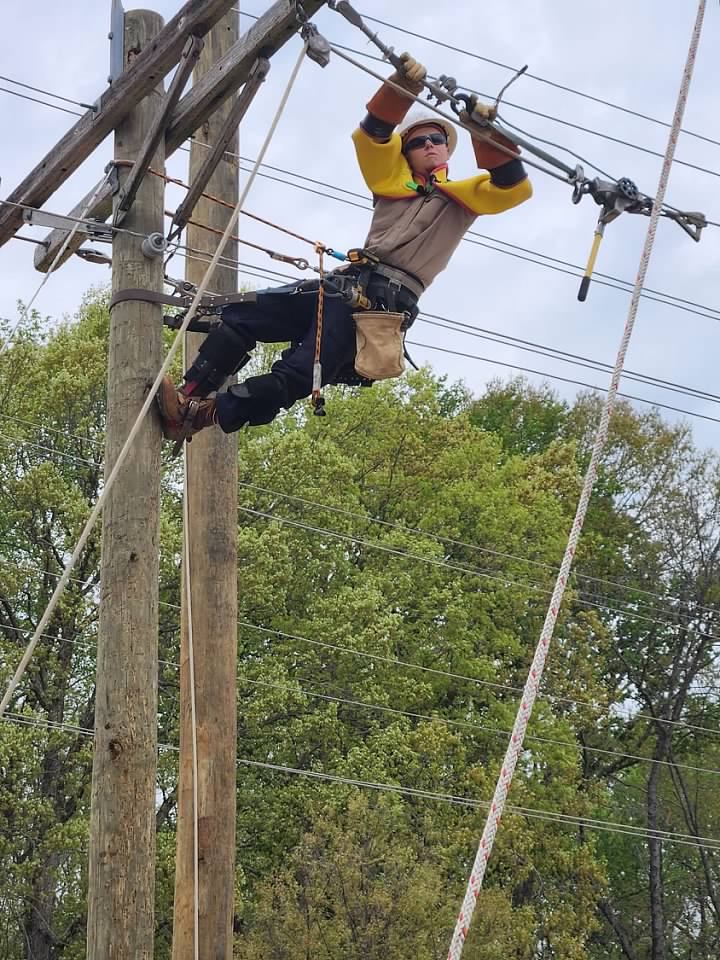
“It’s a great partnership because it gives lineworkers the opportunity to build on their skills while also earning their degree,” said Becky Alston, director of job training and safety field services for North Carolina’s Electric Cooperatives. “It builds a foundation that allows them to explore other career paths and opportunities within the cooperative network, while also deepening their knowledge of linework.”
From building and constructing lines to mastering new tools and the latest safety regulations, the classes prepare lineworkers for the wide range of challenges they may face in the field. Whether it is routine maintenance or restoring power during severe weather, Alston said the curriculum is designed to cover it all. As the lineworker profession continues to evolve with emerging technologies and new equipment, ongoing training ensures crews are ready to safely and reliably serve their communities.
“No matter how long you’ve been in the field, whether it be 30 years or just a few years, you can never stop learning,” said Alston. “It’s a continuous learning process, and the schools help them to build on what they’ve learned.”
The training is taught by a diverse group of instructors, including experienced lineworkers, engineers, operations personnel, outside vendors who specialize in specific equipment and tools, and members of the statewide job training and safety team. These instructors ensure material is consistent and relevant to current, real-world field operations.
Upon completing 8,000 hours of on-the-job training, required schooling, and task completion, lineworkers can receive a journeyman designation through the NC Apprenticeship Program that is recognized not only by the state of North Carolina but nationally.
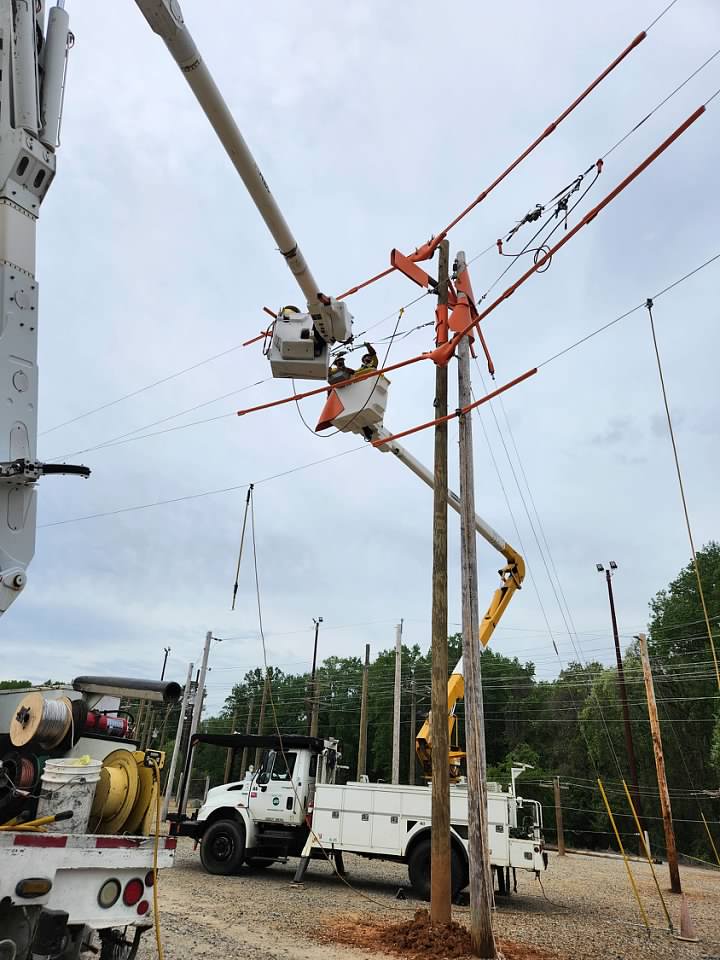
“It’s a great feeling seeing these lineworkers go all the way through the program,” said Alston. “To see the time they commit to their training and in the classroom, and even the work they do on their own, shows initiative. They are truly committed to their craft and to serving their communities.”
As more lineworkers continue to retire over the next few years, Alston says this opens the door to opportunities across the state for the younger generation to fill essential roles in the community. She encourages more people to look into careers with the cooperatives, including lineworker roles.
“You gain so many valuable skills as a lineworker, and you’re exposed to many different parts of the cooperative,” said Alston. “Lineworkers are pivotal to our state. They light our world every day and are selfless and caring, always putting their communities first.”