Co-op leaders ‘Rally in Raleigh’ to champion key issues that impact members and communities

Rooted in the communities they serve, North Carolina’s electric cooperatives understand the key issues that matter most to their members and communities. That’s why every year, co-op leaders gather in Raleigh to meet with their local legislators and advocate for the policy priorities important to the 2.8 million North Carolinians served by the state’s 26 electric cooperatives.\
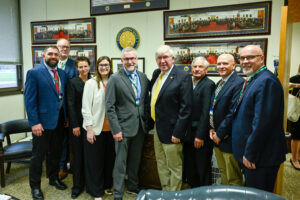
“Our members need affordable, reliable power—that’s what they expect from their cooperative,” said Dennis Mabe, CEO of Randolph Electric Membership Corporation. “This expectation is exactly why North Carolina’s electric co-ops hold events like our Rally in Raleigh. Cooperatives work with legislators to prioritize rational public policy that protects our members and keeps the lights on with always-available resources.”
More than 160 representatives from electric cooperatives across the state met with members of the North Carolina General Assembly during the event. Discussions centered on co-op success stories and several policy issues critical to North Carolina electric cooperatives’ shared Brighter Future vision.
“As part of the Rally in Raleigh, co-op leaders share updates from their co-ops and advocate for policies that protect their ability to provide reliable and affordable power to their members,” said Paul Mott, manager of government affairs for North Carolina’s Electric Cooperatives. “These conversations help legislators understand the impacts of current legislation on their constituents.”

As North Carolina’s energy needs continue to grow, electric cooperatives are focused on solutions that ensure long-term reliability and affordability for members, including dispatchable generation such as natural gas and new nuclear resources.
“It’s our responsibility to educate our legislators about escalating energy demands and challenging cost pressures,” said Mabe. “Randolph Electric is proud to participate in these important discussions with our legislators for the benefit of our member-owners.”
Beyond discussions of an evolving energy transition, cooperative representatives spoke about the Utility Worker Protection Act, which would prioritize co-op employee safety by increasing penalties for confrontational criminal interactions with clearly identified utility workers.
North Carolina’s electric cooperatives also help drive growth in their local communities through economic development initiatives. During their meetings with legislators, co-ops discussed expanding North Carolina’s Megasite and Selectsite Readiness programs to allow for additional investment benefiting economic development in rural communities.

These conversations are ongoing as North Carolina’s electric cooperatives work year-round to build a brighter future for the members and communities they serve.
“We hear from state senators and representatives often that they rely on electric co-op leaders as a means of staying in touch with issues affecting rural communities,” said Mott. “We take that role seriously, and opportunities like the Rally in Raleigh demonstrate the strength of the cooperative network and our commitment to rural North Carolina.”