Carolina Country continues to connect co-ops and their members nearly eight decades later

North Carolina’s electric cooperatives are rooted in the communities they serve — and that local connection means they understand what matters most to the people who live there, including the stories that define and connect them.
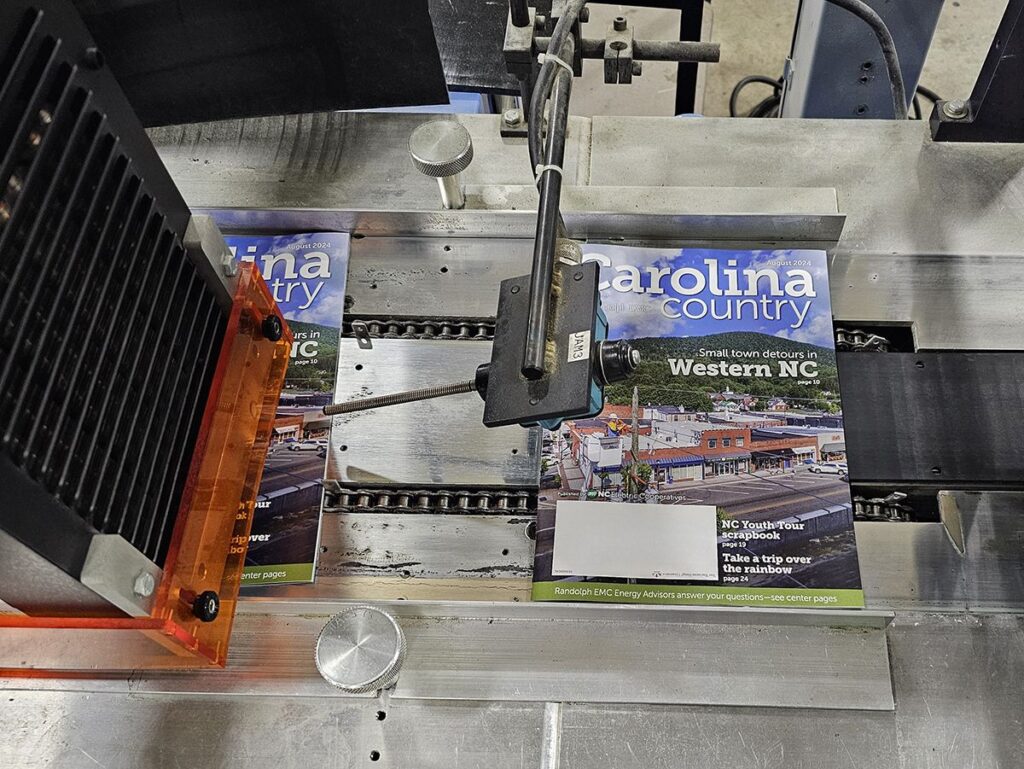
That commitment to community comes to life each month through Carolina Country magazine, which is distributed to families, farms and businesses across the state on behalf of North Carolina’s electric cooperatives.
“Carolina Country exists to foster connections between members and their electric co-ops,” said Scott Gates, editor of Carolina Country. “It’s something readers can look forward to every month, creating a special connection to their local co-op while showcasing the incredible work they’re doing in the communities they serve.”

The legacy of print
For nearly eight decades, Carolina Country has served as a vital connection between North Carolina’s electric cooperatives and their members. Launched in June 1946 as Carolina Farmer, the magazine now known as Carolina Country has grown to a circulation of approximately 750,000, reaching more than 2.2 million readers across the state.
Carolina Country is one of 32 statewide publications across the nation, which reach a combined 12 million readers across 42 states — the fourth-largest circulation of all U.S. publications. Carolina Country’s circulation alone ranks in the top 25 nationwide.
Created in the spirit of the 5th Cooperative Principle, Education and Training, statewide publications keep cooperative members informed and connected to their co-ops with important information about how they operate, including annual reports, director election information and industry news. They also serve as a trusted link between co-ops and the communities they power, a role that continues to evolve today.
“Each generation of statewide editors, whatever the era, finds new ways to share impactful stories and elevate the co-op mission,” said Gates. “I see it as a part of my job to honor that legacy while finding new ways to engage members with their co-ops.”
That legacy is personal for Gates. His father, Darryl, was the longtime editor of Alabama Living, the publication distributed to cooperative members across Alabama. This past year, Darryl was recognized with a posthumous lifetime achievement award from the Statewide Editors Association, which Gates accepted on his behalf.
For as long as Gates can remember, his father was a proud advocate for electric cooperatives. He says his dad deeply valued the connection the magazine built with its readers — a passion Gates now carries forward in his own role.
“I personally love rural communities and finding those stories that don’t otherwise get told,” said Gates. “We often get calls, letters and emails from readers who are genuinely impacted by something in the magazine, whether it’s a local resource they didn’t know about, or just a recipe they’re excited to share with their family.”
A resource for members
Carolina Country offers more than compelling stories — it serves as a trusted resource that highlights local businesses, shares important safety tips and inspires travel and economic development across rural North Carolina. Just as importantly, it provides readers with valuable insight into their electric cooperative and the many ways it supports its members.

The magazine publishes 26 unique editions each month, each featuring customized content from its local cooperative.
“We use the main pages of the publication to build foundational knowledge, where readers can learn what’s happening in the industry or how to make their homes more energy efficient,” said Warren Kessler, creative director of Carolina Country. “We’re supporting the messages co-ops are sharing, but with the long-form format that only a monthly magazine can offer.”
As Carolina Country honors its longstanding legacy, it’s also looking ahead. Gates sees the magazine as a bridge — one that connects generations, preserves tradition and brings forward the perspectives of a changing rural landscape. That means continuing to innovate while staying rooted in the cooperative values of community and service.
“We’re deploying a new website and using social media in new ways to share content, while also finding new writers and new voices to reflect how rural communities are changing,” said Gates. “Co-ops serve communities as diverse as the topography of the state. The key is finding and telling the stories that reflect that diversity — to give a voice to those communities.”
To explore more stories, resources and the ways North Carolina’s electric cooperatives are working to power their communities, visit carolinacountry.com.