10 Years of Clean Energy Week: NC Co-ops Recognize Nuclear Energy & Clean Energy Innovation

Each year, National Clean Energy Week highlights industries and innovations that power the lives of millions, while also reducing carbon dioxide emissions and advancing the growth of renewable energy resources and new technologies. This year, the event’s tenth annual celebration is September 14-18, 2026.
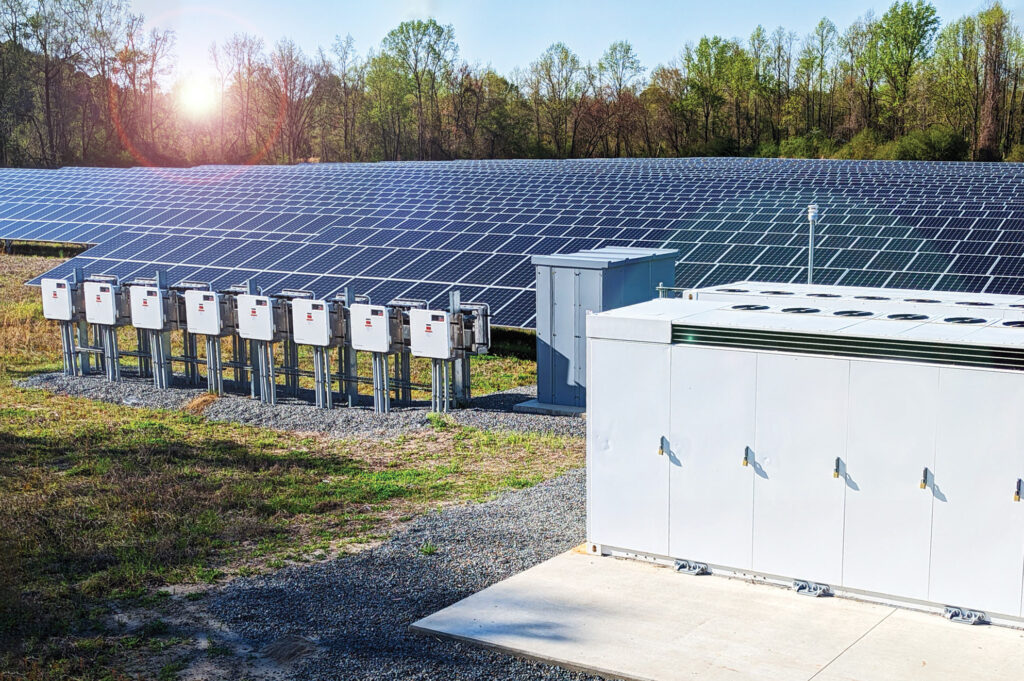
North Carolina’s electric cooperatives are striking that balance, working toward a goal of net-zero carbon emissions by 2050 through the Brighter Future vision, shared across all 26 cooperatives and the statewide organization. That goal is paired with a continued commitment to provide the affordable, reliable electricity that cooperative members and communities count on every day.
Achieving that vision requires a diverse and balanced energy portfolio. By supplying power through sources such as emissions-free nuclear generation and continuing to integrate renewable energy into an already diverse mix of resources, electric cooperative members benefit from some of the lowest-carbon electricity in the Southeast.
Community-Based Distributed Energy
Clean energy innovation is also taking shape at the local level through distributed projects that are serving communities and businesses across the state.Cooperative microgrids are one of those resources, combining renewable energy resources, battery storage and advanced controls to enhance reliability while supporting sustainability goals.
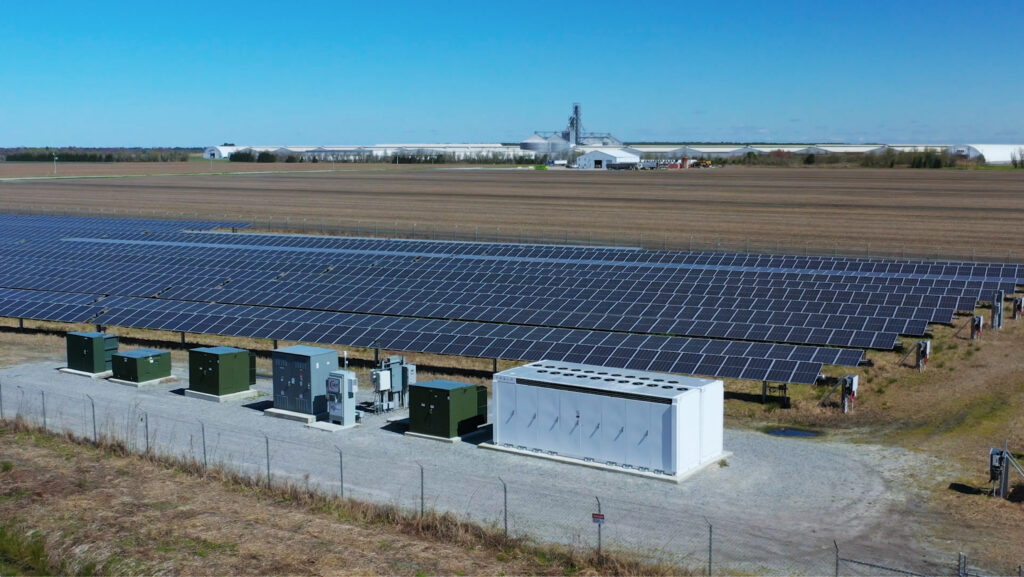
Microgrid projects like Rose Acre Farms in Hyde County demonstrate how innovative energy technologies can support both rural communities and a cleaner energy future. At Rose Acre Farms, solar generation and battery storage work together to improve flexibility and resilience for one of the region’s largest egg distributors.

“The Rose Acre Farms microgrid shows how electric cooperatives can work alongside community partners to develop innovative energy solutions that benefit everyone involved,” said Tim Gubitz, director of energy services and technology at North Carolina’s Electric Cooperatives.
Expanding Renewable Energy and Grid Innovation
Today, North Carolina’s electric cooperatives have more than 600 megawatts of renewable, distributed energy and edge-of-grid resources connected to their systems, including community solar, battery storage, microgrids and demand response technologies.
Cooperatives have also invested in utility-scale solar paired with battery storage, including 13 solar-plus-storage sites. By coupling solar generation with battery storage, excess energy can be stored and dispatched when it is needed most, making renewable energy a more flexible resource while strengthening local reliability and resilience.
Together, these solar-plus-storage sites projects can generate more than 23 megawatts of electricity – enough to power more than 23,000 homes at peak output.
North Carolina’s electric cooperatives were also the first utilities in the state to launch community solar programs in 2014. Today, 19 community solar farms provide members with a low-cost, low-risk way to participate in solar energy while supporting a more diverse energy mix. Alongside battery storage, smart thermostats, and water heaters, these technologies are helping cooperatives build a more adaptable electric system capable of meeting the needs of members now and in the years ahead.
“These investments reflect a balanced approach to the future of energy,” said Gubitz. “By integrating renewable energy, battery storage and other emerging solutions, we’re strengthening grid resilience and supporting sustainability while continuing to deliver the reliable, affordable service our members depend on.”
Emissions-free nuclear generation
The cooperative power portfolio is built on a diverse mix of resources and nuclear energy remains its primary source. Providing more than half of the electricity delivered, emissions-free nuclear generation offers a dependable source of around-the-clock power.
“As a carbon-free, highly reliable resource with significant energy output, nuclear energy provides the foundation on which we build the rest of our portfolio,” said Debbie Britt, director of portfolio planning at North Carolina’s Electric Cooperatives.
Building a Brighter Future
As we recognize Clean Energy Week, North Carolina’s electric cooperatives remain committed to reaching a goal of net-zero carbon emissions by 2050 and doing so at a pace that protects the dependability and affordability of electricity for co-op members.
To learn more about how we are powering the lives of more than 2.8 million North Carolinians, visit our power page.